Beneath Constantia's vineyards and winding lanes lies another story — of exiles and slaves, of farming families who built mosques and tended the soil for generations, and of a community torn out by apartheid. This is that history.
The roots of Islam at the Cape reach back to 1667, when the Dutch banished political exiles from the East Indies to the Cape of Good Hope. Among them, the ruler Sheikh Abdurahman and his adviser Sayyid Mahmood were sent into the Constantia Forest.
There, long before Tuan Guru founded the first mosque in the Bo-Kaap, these exiled teachers are remembered for keeping the faith alive — and for teaching Islam to runaway slaves who found refuge in the forest.
"Islam started in the forests of Constantia, because these exiled people taught runaway slaves Islam — long before Yusuf of Macassar arrived."Imam Maghdie Sadien · Athlone News, 2024
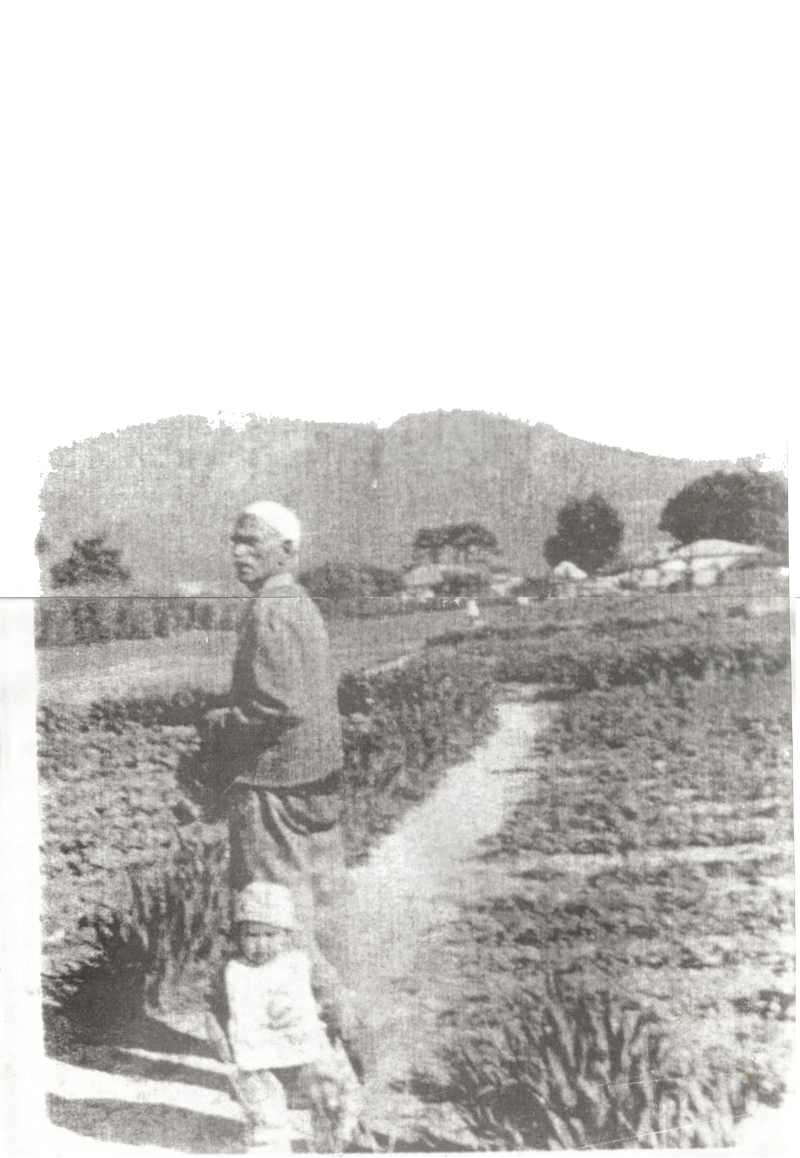
By the nineteenth century, a community of Cape Muslim and Coloured families farmed the Constantia valley — clustered along Strawberry Lane and Sillery. They grew fruit, flowers, vegetables and grapes for the markets of Cape Town.
Among them were the Solomons, the Sadiens, the Lesters and the Jafthas. They owned their smallholdings and worked for themselves. "Every week about 20,000 bunches of carrots went to market," recalls Rashaad Solomon. "People would fetch flowers on Thursdays or Fridays to sell at the Grand Parade."
The community built its own institutions. The Masjid Monier opened in 1883 on Spaanschemat River Road, on land donated by a woman remembered only as Naeemah. In 1902 Dawood Sadien bought Sillery Farm, and in 1913 donated a portion of it for a mosque — the Mahmoud Mosque (Masjied-ul Maghmoed), among whose founding trustees was Abdullah Solomon.
Beside Masjid Monier lies the Spaanschemat River Road Muslim Cemetery. In 1924, its southern portion was bought by 105 families — the Solomons among them — for £3 5s. More than 4,000 people have since been buried there, and families removed from Constantia still return, in death, to the valley of their ancestors.
Some of Constantia's families carry the line of Tuan Guru himself — Imam Abdullah Kadi Abdus Salaam, the exiled prince of Tidore who was imprisoned on Robben Island in 1780, wrote the Qur'an from memory, and in 1794 founded the Auwal Mosque in the Bo-Kaap, the first in South Africa. After his release he opened the country's first madrasah, teaching the Qur'an and Arabic to the enslaved and free-black community.
That hand-written Qur'an survives to this day, kept by his descendant Sheikh Cassiem Abduraouf (b. 1918). Through Sheikh Cassiem and his sister Gasiena Solomon — and the forebears they shared — one branch of the Solomon family, including Imam Gassan Solomon, descends from that first teacher of Cape Islam.
The family remembers Sheikh Cassiem as a teacher in his own right — the man who taught the children of Constantia to recite the Qur'an, carrying down the very vocation his forefather had begun in a Dorp Street warehouse two centuries before.

"His hand-written copy of the holy Qur'an has been preserved and is presently in the possession of one of his descendants, Sheikh Cassiem Abduraouf of Cape Town."Auwal Masjid · on Tuan Guru's Qur'an
Under the Group Areas Act, Constantia was declared a "white group area" — proclaimed in 1957 and zoned in 1961. From the 1960s, the valley's Muslim and Coloured families were given five years to sell and leave. They were scattered to Grassy Park, Lotus River, Parkwood, Manenberg, Mitchell's Plain, Retreat, Surrey Estate and Philippi.
Homes were emptied and bulldozed. The Solomon family resisted until 1965; their grand Victorian homestead on Ladies Mile Road and the stone cottages were demolished in 1976. Around 99% of the Muslim community was expelled. The mosques and the cemetery remained — almost the only ground the community could still call its own.
"District Six is a scar you can see. In Constantia, the beauty hides everything. People talk about the lovely wine estates — but they don't ask who planted the vines."Rev. Terry Lester · Constantiaberg Bulletin, 2025
After 1994, the dispossessed families lodged restitution claims under the new Constitution — among them the Solomon, Sadien, Kherekar and Flandorp families. The road was long and costly. The Solomon family's claim, lodged in 1996, took until 2012 for the title deeds to be returned — and gave rise to the Constantia Emporium on the very land their grandfather bought in 1902.
The work of memory continues: the Constantia Heritage & Education Project (CHEP) reconnects descendants of the displaced, and the Spaanschemat River Road cemetery committee records the community's history so it cannot be erased a second time.
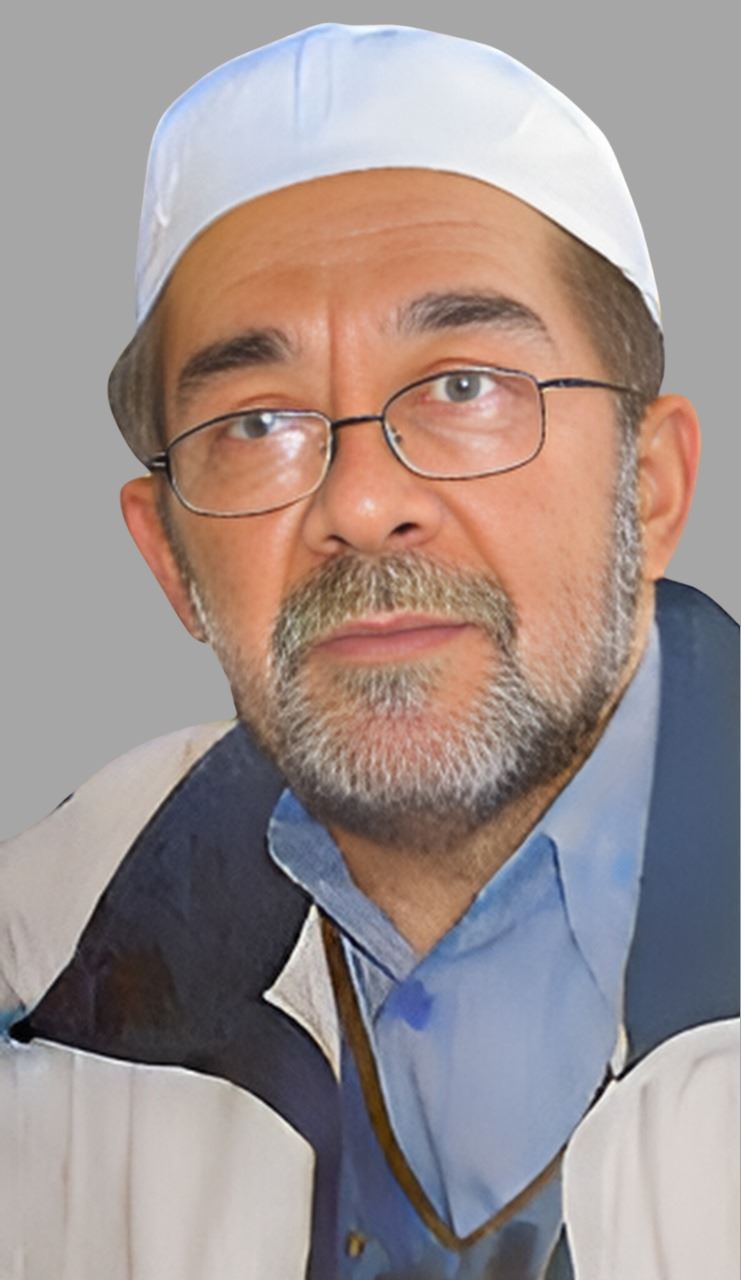
Born in Constantia in 1941 and uprooted as a young man under the Group Areas Act, Imam Gassan Solomon — a descendant of Tuan Guru — became one of the Cape's most revered religious leaders and a fearless voice against apartheid.
Radicalised by the 1960 Sharpeville massacre and shaped by the loss of his mentor Imam Abdullah Haron in 1969, he served as imam of the Claremont Main Road Mosque from 1979, helped found Voice of the Cape radio, led within the Muslim Judicial Council and the Call of Islam, and carried the struggle into the nation's first democratic Parliament.
His life is now told in the biography Echoes of Freedom, by Faseeg Manie, published by the Imam Gassan Solomon Foundation.