1902
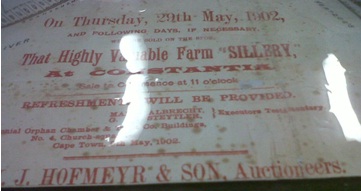
Farmland bought at Sillery, Constantia
The living archive of the Hadjie Abdullah Solomon family — Cape Muslim farmers of Sillery, who lost their land to apartheid and won it back.
In 1902, Hadji Abdullah Solomon bought farmland on the old Sillery estate in Constantia — one of roughly eighteen smallholdings then acquired by Cape Muslim families whose names still echo through the valley: Solomon, Sadien, Gazant, Abdul, Tabier.
For over six decades the Solomons farmed this ground — vines, fruit and livestock — and helped raise a mosque at its heart. Then apartheid's Group Areas Act tore the community out by the roots. Generations later, the family returned through the courts to the land their grandfather first worked.
Read the family history booklet (PDF) → The history of Muslim Constantia →A working farm. A founding mosque. A forced removal. And a homecoming the law could not deny.
The history runs deeper than one page — wander through the valley's past, its mosques and burial ground, or watch it all play as a vintage reel.
From the 1667 exiles to the families uprooted by apartheid — and the lineage back to Tuan Guru.
Masjid Monier (1883) and Masjied-ul Maghmoed (1913), with the full centenary brochure.
The Spaanschemat River Road burial ground — where a removed community still returns.
1667 to today, played as an old film reel — dates, photographs and the family's words.
From an auction on the Grand Parade to a homecoming sealed by the courts — the documented milestones of the Solomon family at Sillery.
At an auction on the Grand Parade, the family buys farmland in Constantia together — Hadji Abdullah Solomon, his nephew Hadji Ismail Solomon and their kinsman Dawud “Oupa Dout” Sadien. The valley's Cape Muslim families were all bound by blood and marriage — one extended family on the land.
DocumentedThe mosque is founded on 16 June on land from Sillery Farm. Abdullah Solomon stands among the founding trustees, alongside the Gamieldien and Sadien families.
DocumentedHadji Taliep Solomon's grapes win five medals at the Imperial Fruit Show in London — recognition for a flourishing, self-sustaining Constantia farm.
Family recordConstantia's Muslim families are declared out of place. Most are removed to Grassy Park, Lotus River, Parkwood and Manenberg. The Solomons resist for years.
DocumentedUnder the new Constitution and Restitution Act, the family begins a restitution claim for their Constantia land — the start of a long road through the courts.
DocumentedAfter sixteen years and more than R400,000 in costs, transfer of the land finally comes through. The family returns to Sillery.
DocumentedOn 13 December a tribunal grants the family rights to develop the restored land — the foundation of what becomes the Constantia Emporium.
DocumentedOn the very ground their grandfather bought in 1902, the family opens the Constantia Emporium — the emptied land brought back to life.
DocumentedA mosque, a farm and a faith community whose story is woven into the early history of Islam at the Cape.
Founded 16 June 1913 on land given from Sillery Farm, the mosque was raised by the families of the valley — Solomon, Sadien and Gamieldien among the founding trustees. Its first imam was Dawud Sadien. Though the community was later scattered, the mosque endures as the spiritual anchor of Muslim Constantia.
The mosque's history → ۩Between 1937 and 1939, fruit from the Solomon farm won five medals at London's Imperial Fruit Show — testimony to a self-sustaining estate of vines, orchards and livestock.
By the 1960s the land carried 32 homes and cottages, pack houses, fowl runs and stables — a flourishing organic farm. Under apartheid it was emptied and, in the family's words, “today it is all destroyed.”
The land's fate → ✣The Cape Muslim community of Constantia clustered around Strawberry Lane and Sillery — and with it came sacred ground: the Strawberry Lane Cemetery and the large Muslim cemetery on Spaanschemat River Road, still owned and used by former residents who return to bury their dead in the valley of their ancestors.
The cemetery & kramats → ☾A factual chronology of the dispossession and restitution of the Solomon family's Constantia land — set down plainly, as a matter of public record.
Every dated entry below is drawn from court records, heritage documentation and the family's own archive. Where a figure rests on family testimony rather than the public record, it is marked as such. The Trust holds the supporting deeds and judgments.
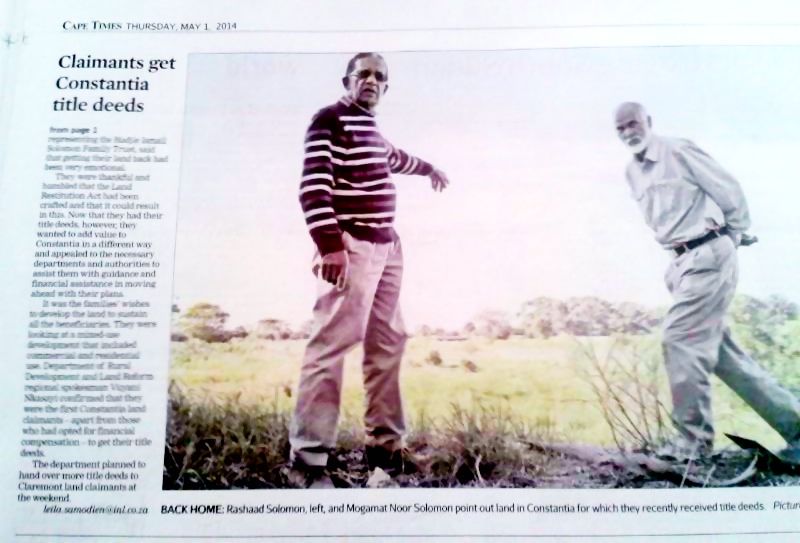
Born on the family's Constantia farm in 1945 — on land his forebears had bought in 1902 — Rashaad Solomon grew up among independent farming families, until the Group Areas Act forced their removal when he was twenty-one. A decade later, in 1976, their homes were bulldozed and the farm became a municipal dump. As founder, chairman and chief executive of the Hadjie Abdullah Solomon Family Trust, he became the driving force behind one of South Africa's most successful land-restitution claims: he lodged the claim in 1996, refused every offer of alternative land, and saw the title deeds returned in 2012. That long struggle gave rise to the Constantia Emporium in 2019 — the emptied land brought back to life. Through his mother, Gasiena, he carries a lineage reaching back to Tuan Guru; through his own labour, a legacy of justice regained.
The Solomons did not stand alone. Five families were closely bound to the founding of Masjied-ul Maghmoed and the life of the valley — by marriage, by faith, and by a shared piece of earth.
Hadji Abdullah Solomon and his line — sons Abdurahman and Noor — farmers, founding trustees of the mosque, and today the family Trust.
Bound to the Solomons by marriage; Dawud “Oupa Dout” Sadien served as the mosque's first imam and held land at Sillery for nearly sixty years.
Hadji Abbas Brenner and his family — among the five founding families, active in building and sustaining the mosque.
Of Sillery and Strawberry Lane — keepers of the Moulood tradition at Masjied-ul Maghmoed to this day.
Oupa Taliep Damon — the skilled builder of the mosque and the family homes; bound to the Solomons by marriage.
Before the last witnesses are gone, the Trust is recording the testimony of those who lived through the removal of Constantia — what was taken, and what was carried away that no act of parliament could seize.
“Gone. Buried. Covered by the dust of defeat — or so the conquerors believed. But there is nothing that can be hidden from the mind.”Don Mattera · 1987
From the family's archive · view on Facebook ↗
Are you a former resident of Constantia, or a descendant? The Trust would be honoured to record your account. Add your voice →
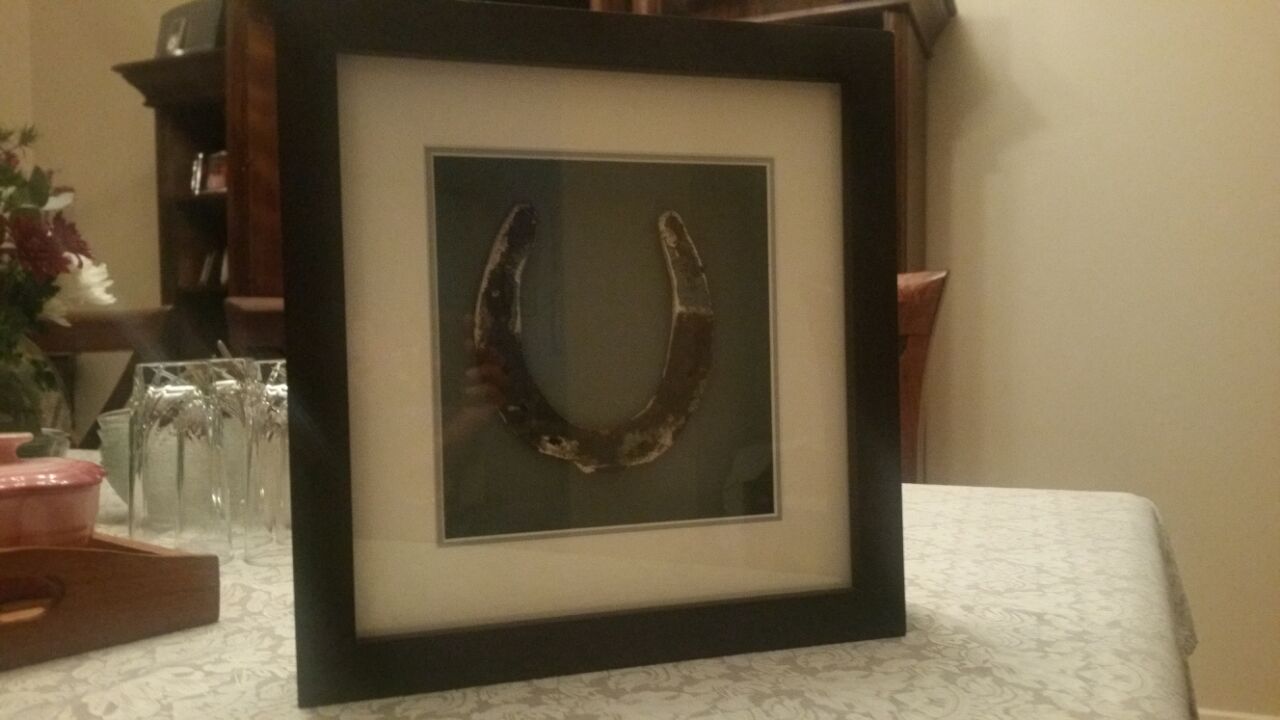
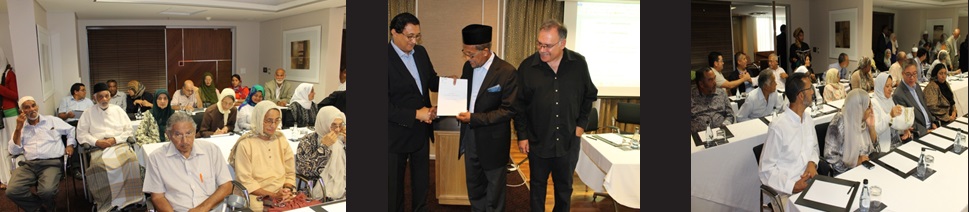
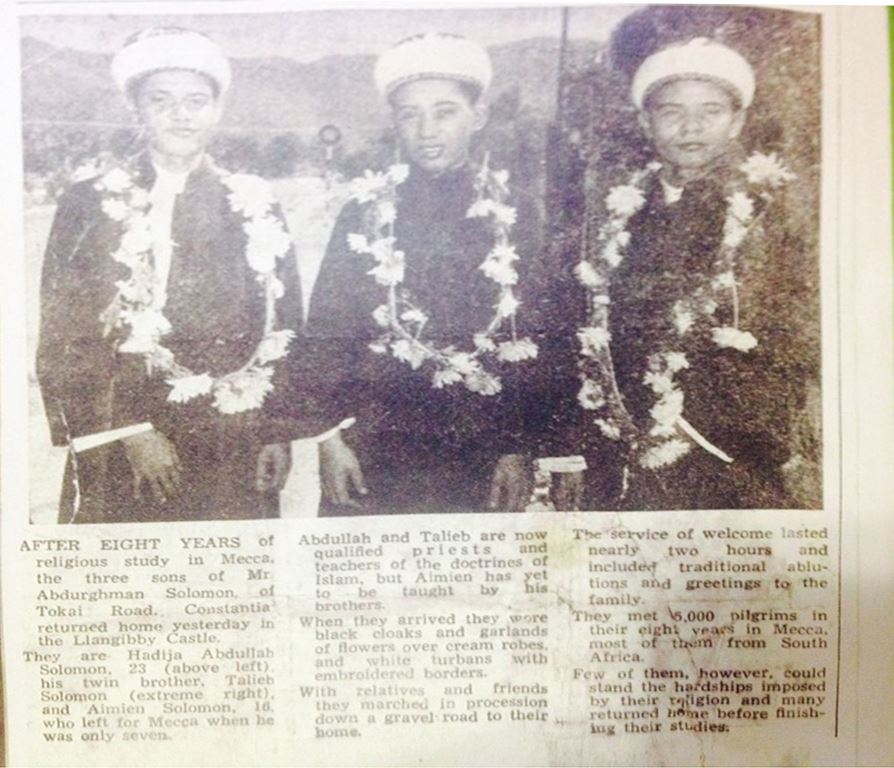
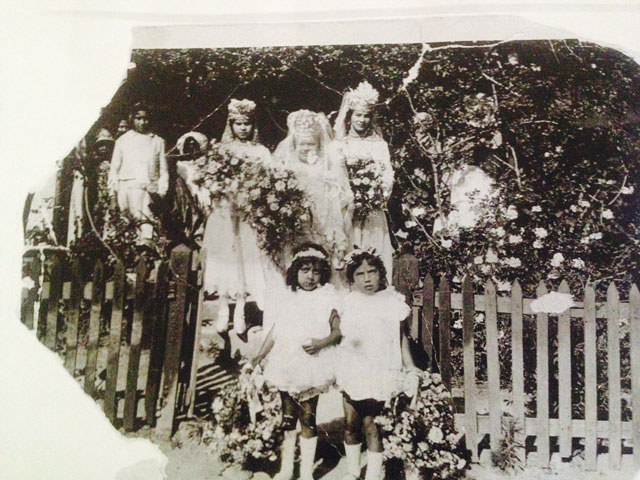
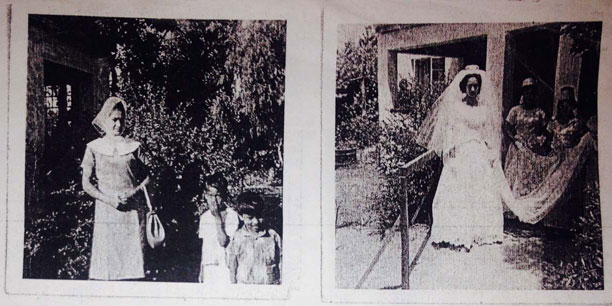
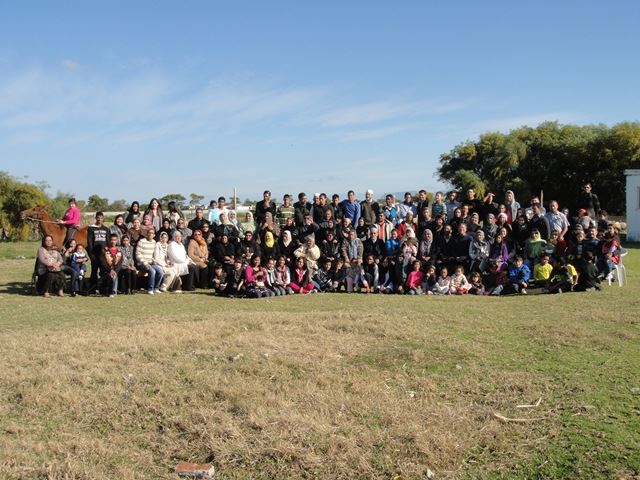
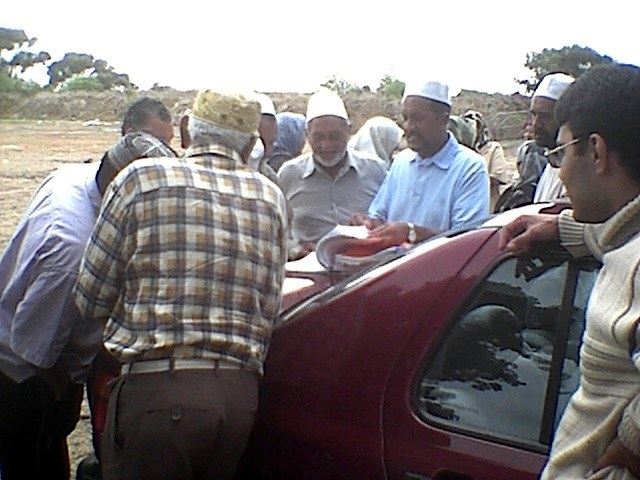
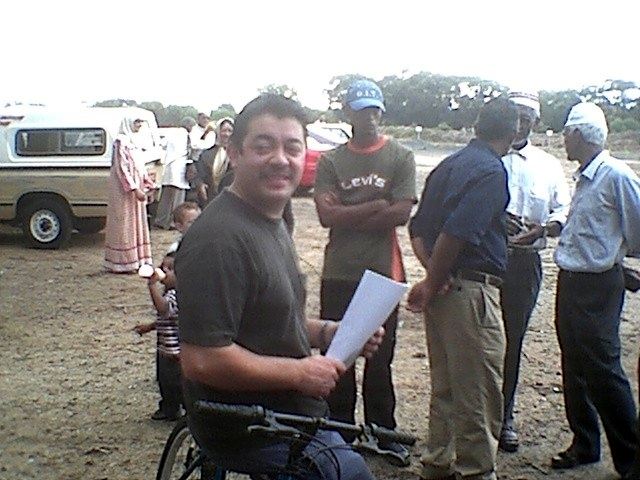
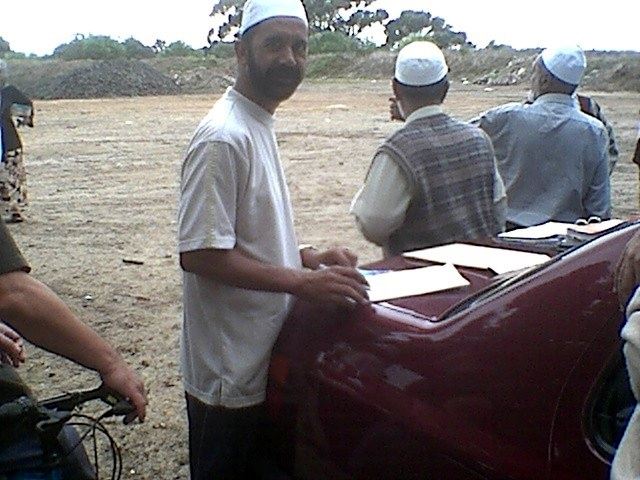
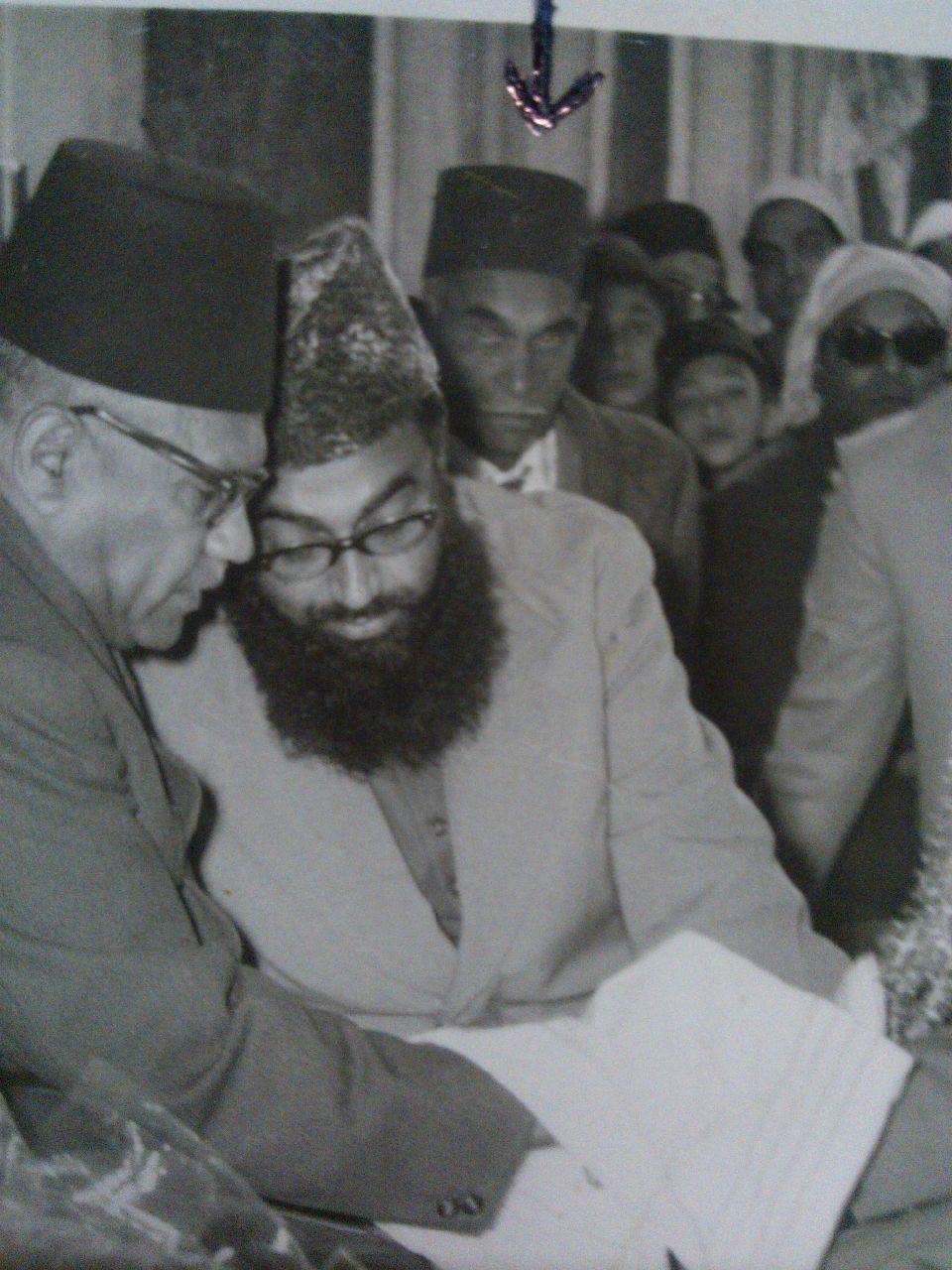
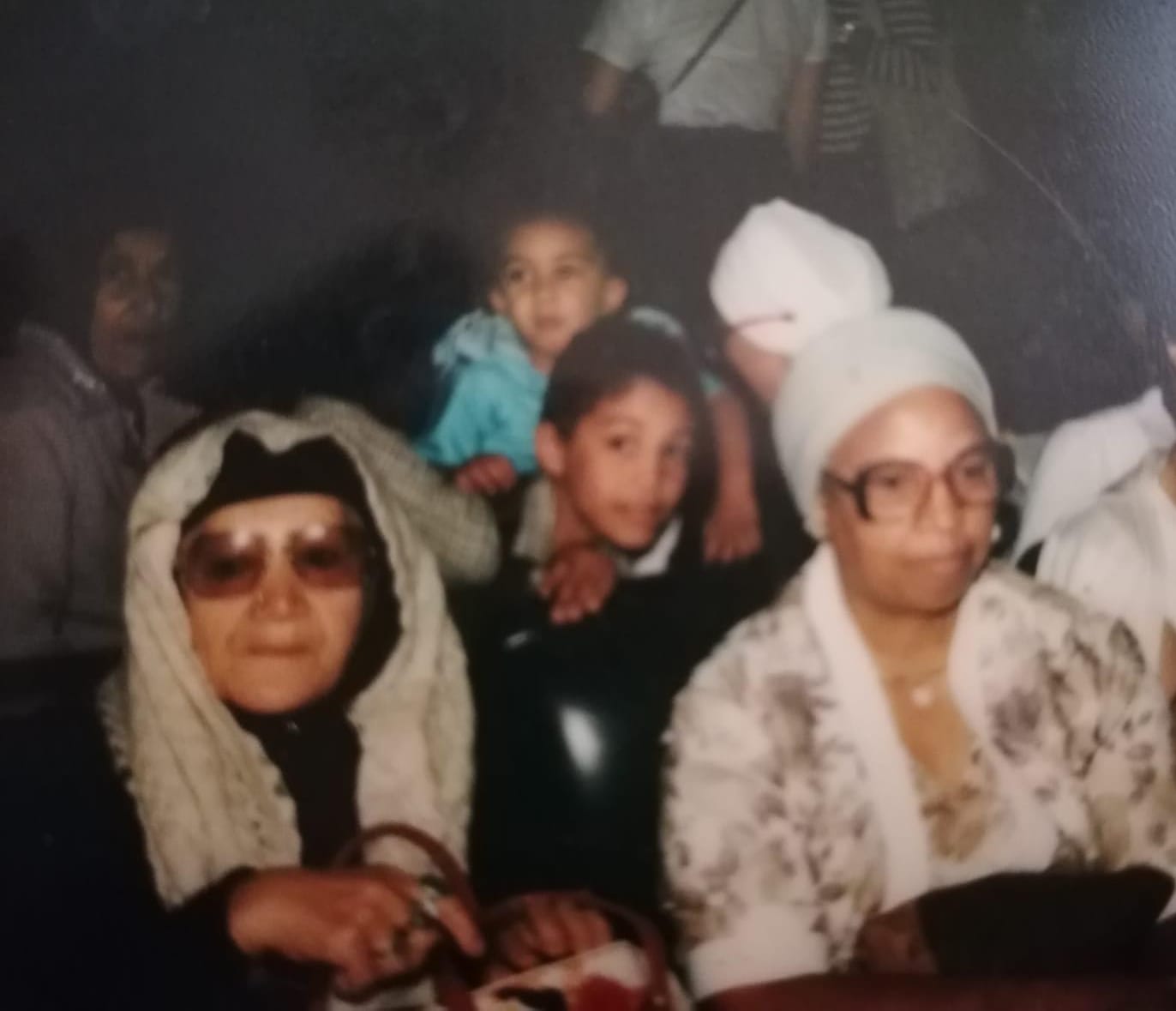
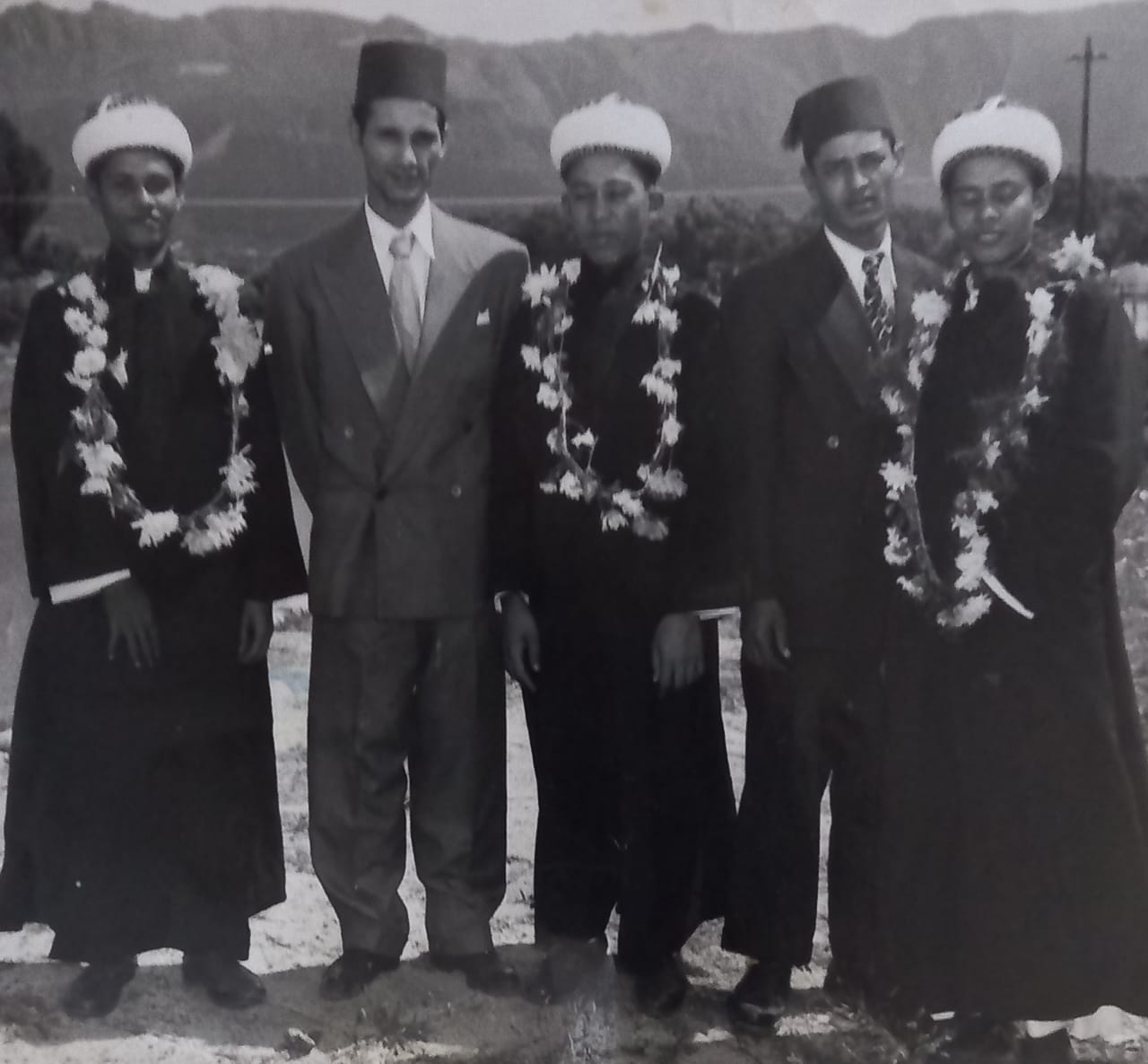
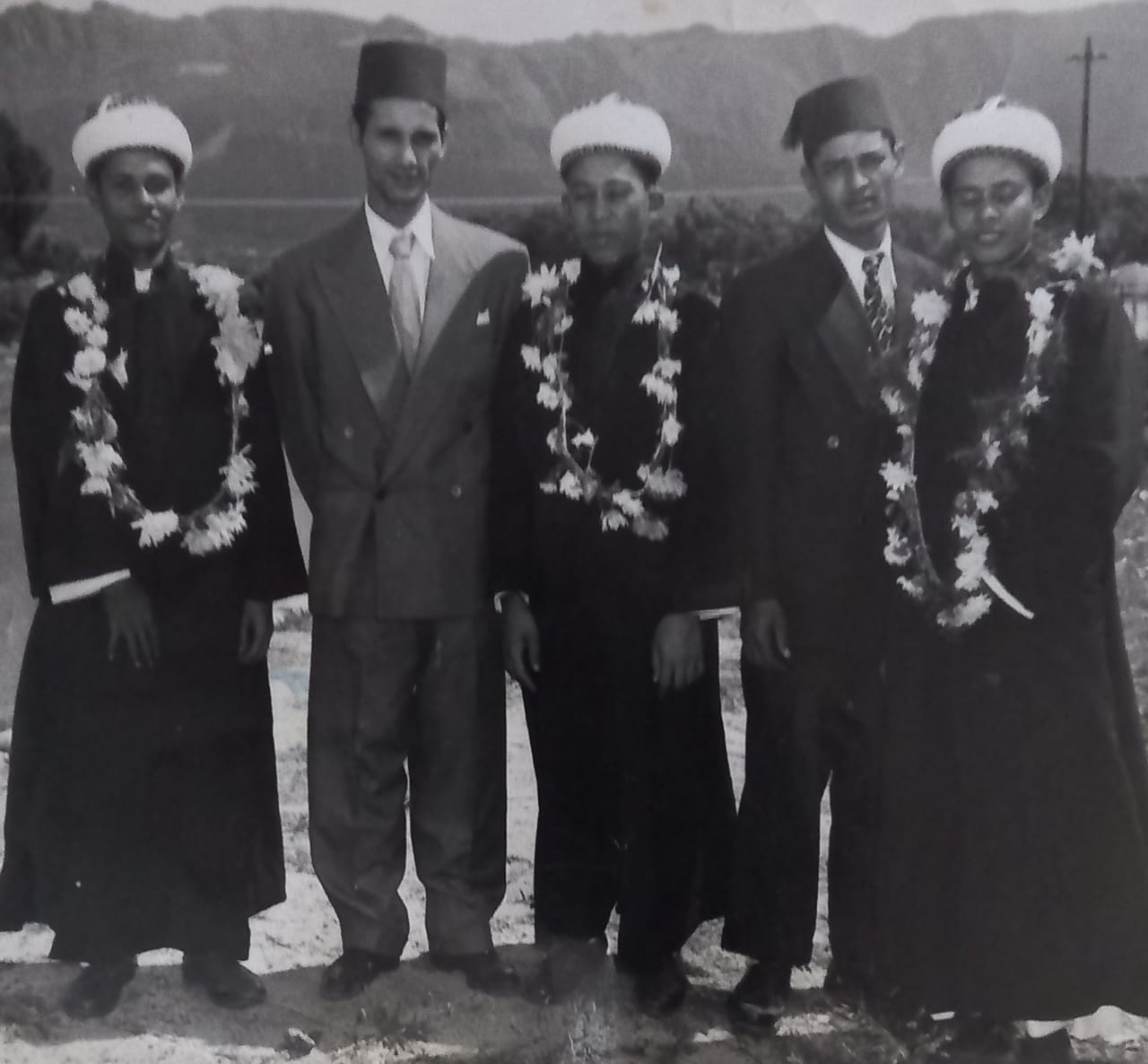
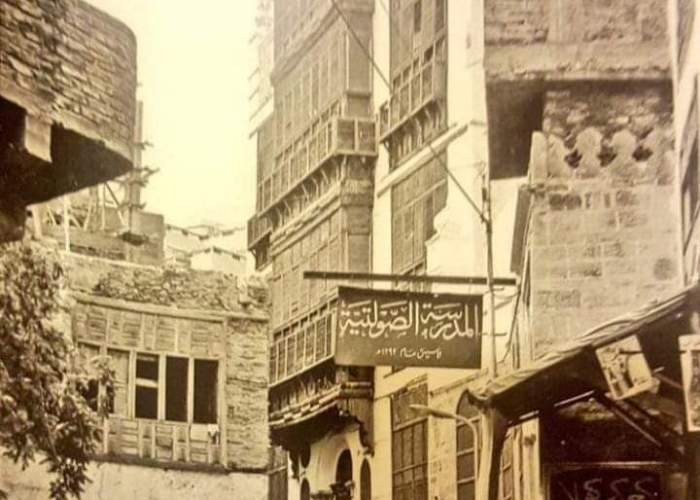
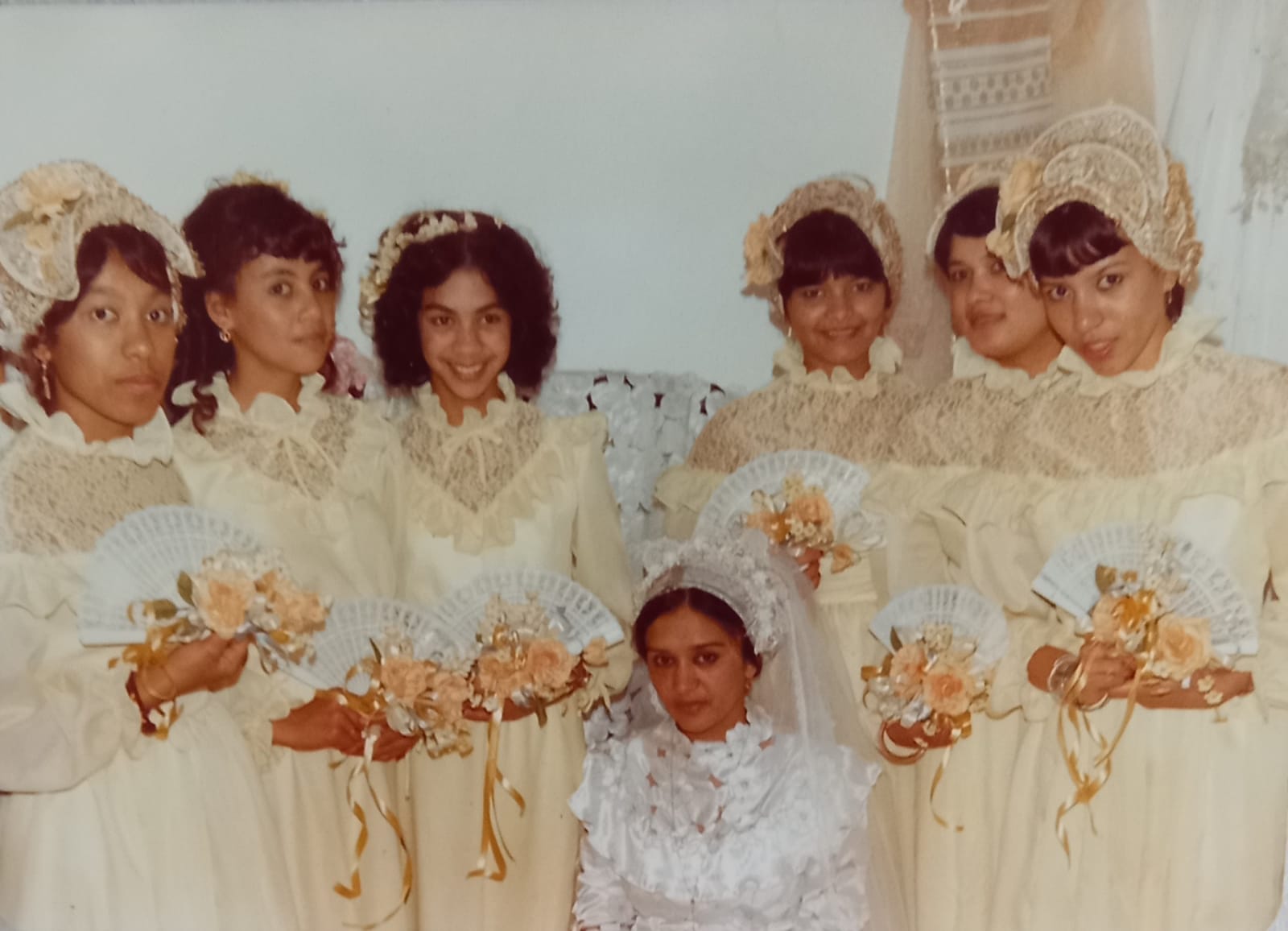
Photographs, documents and relics held by the family — pieces of Sillery that the removals could not erase. Tap any image to enlarge.
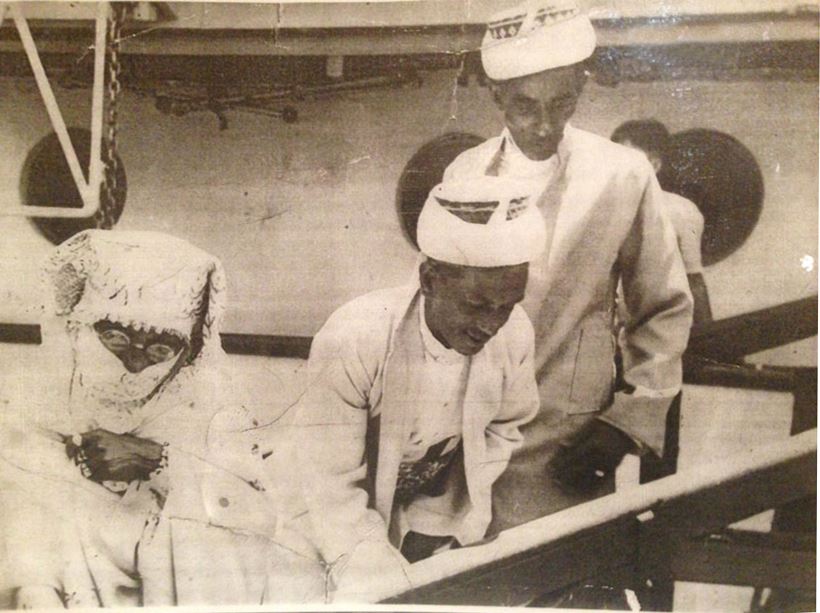
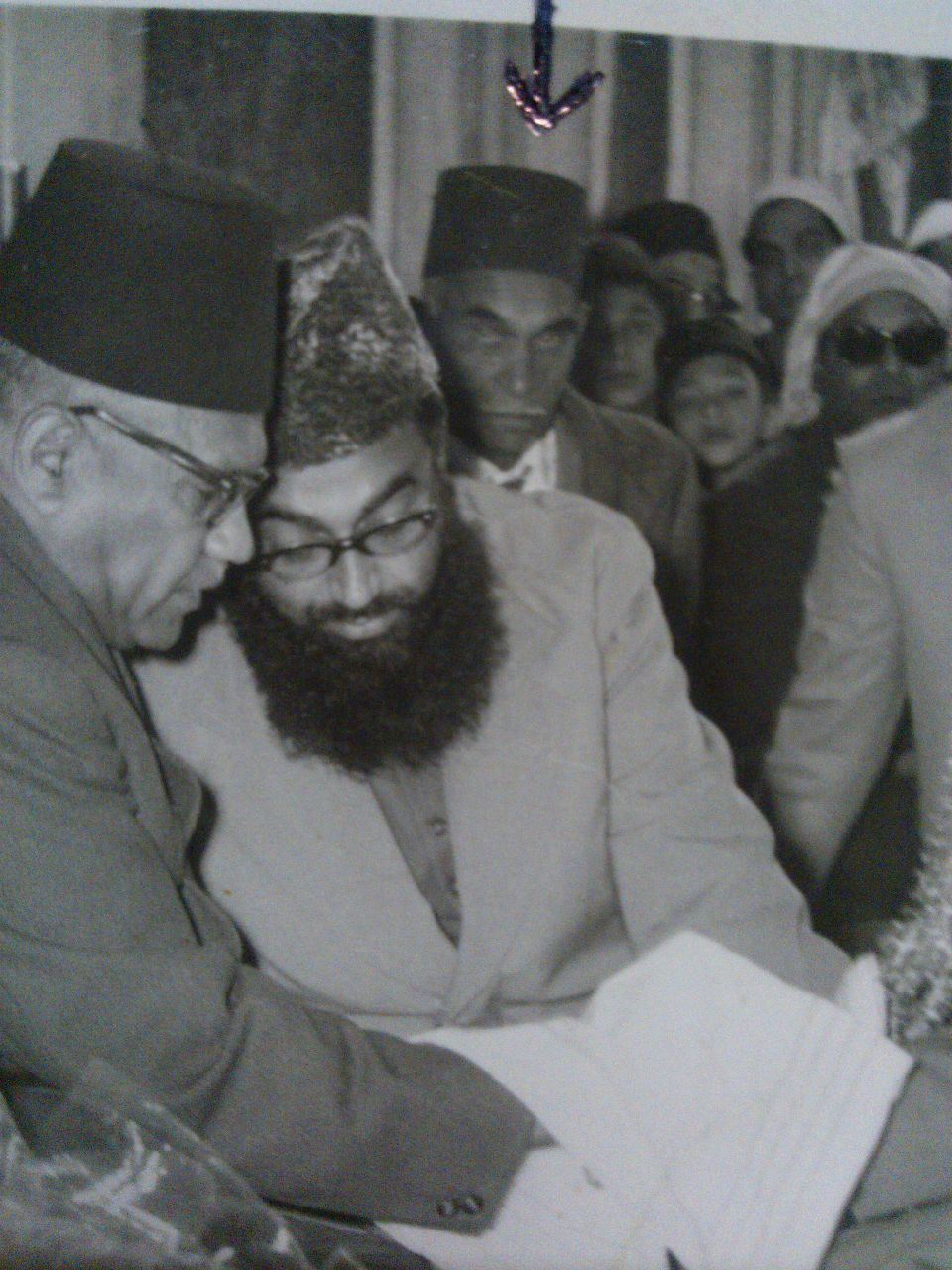
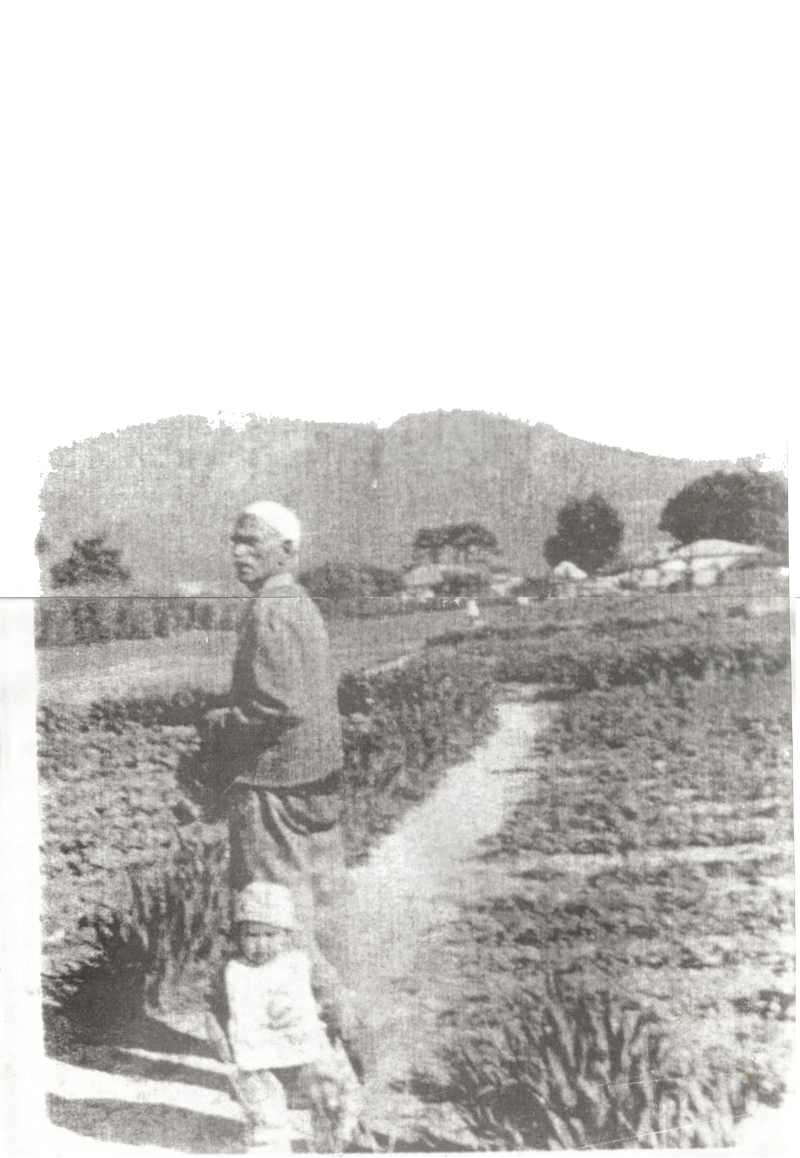
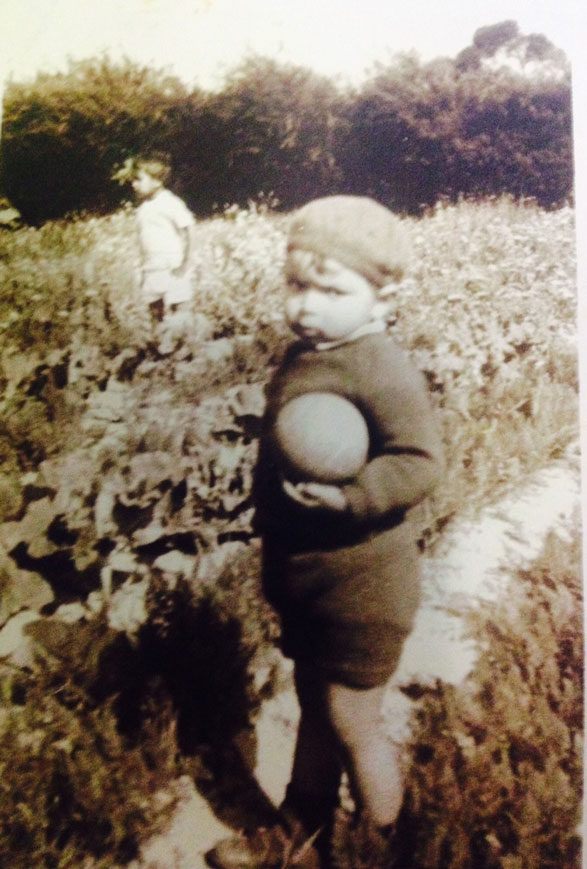
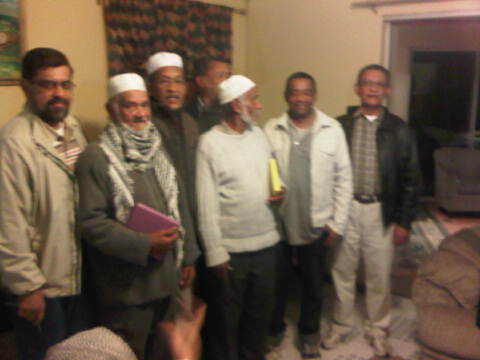
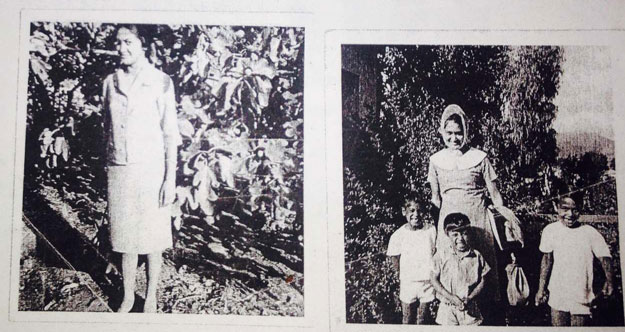
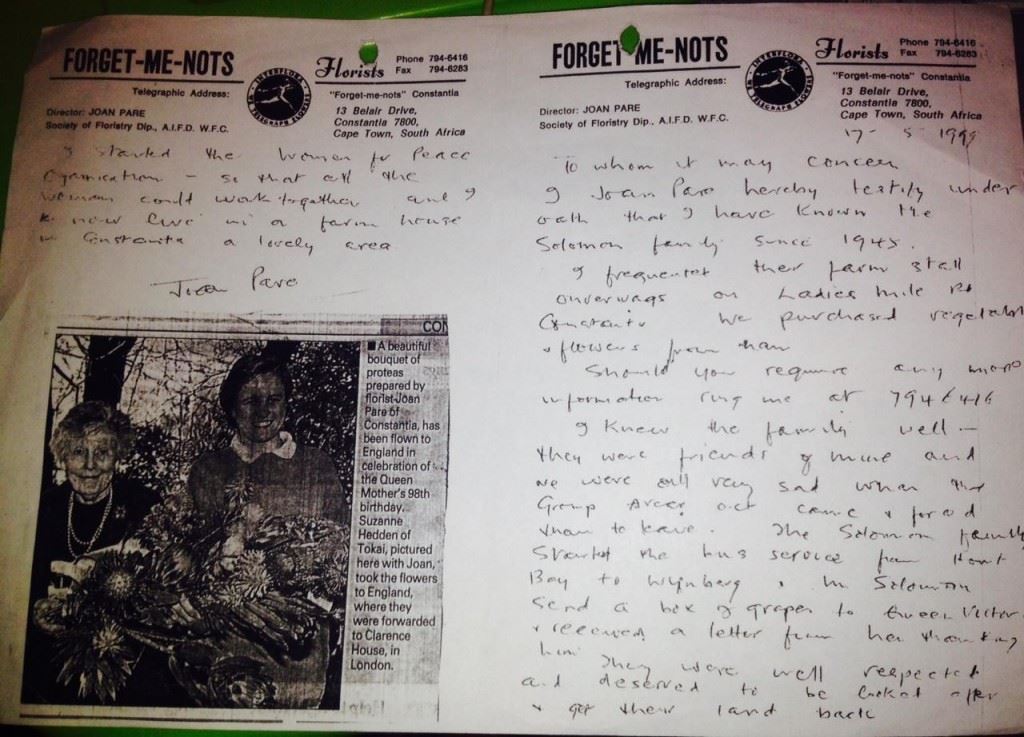
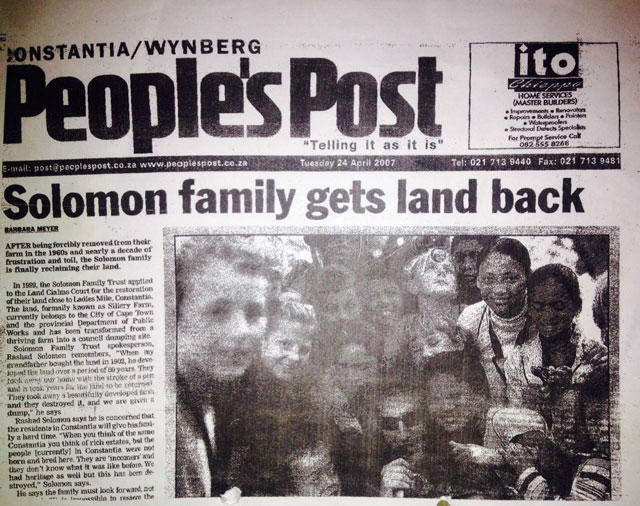
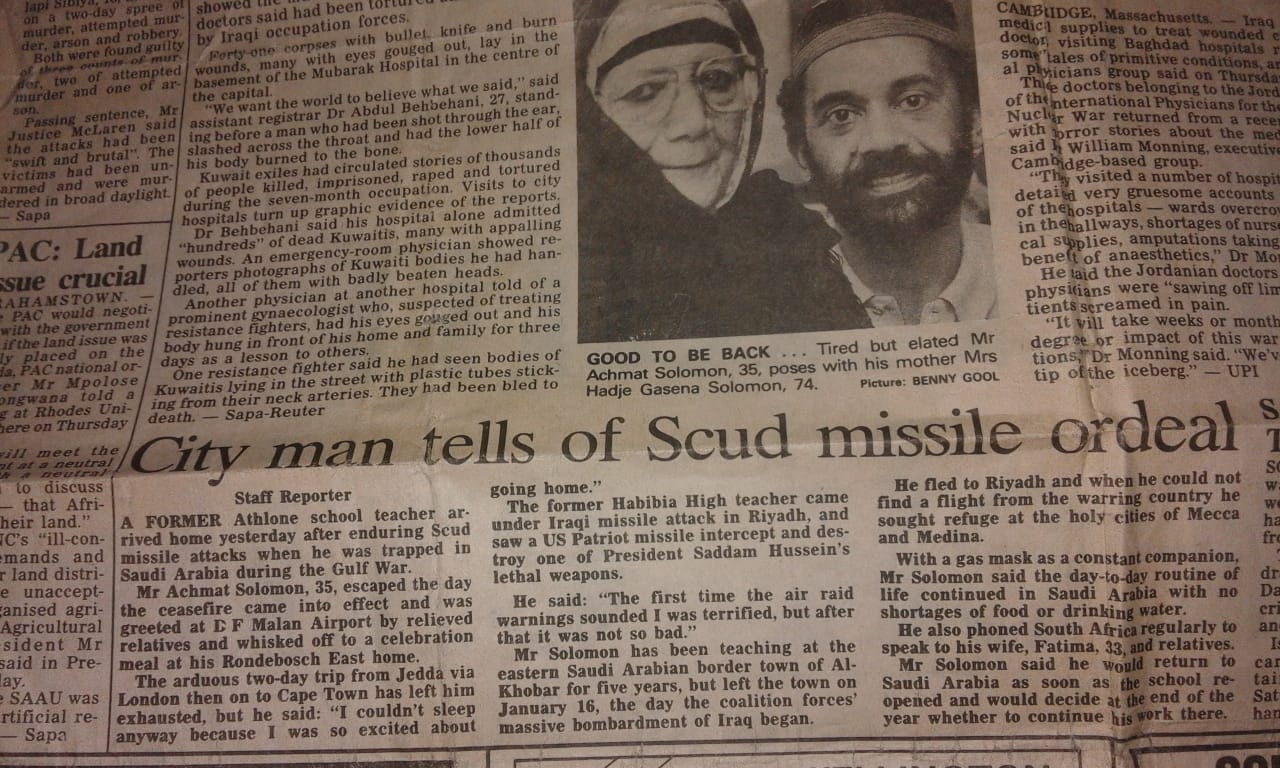
Two decades of reporting on the Solomon family, the Constantia land claim and the Muslim heritage of the valley — from the first demands for return to the restored land today.
What apartheid emptied, the family has brought back to life. On the very ground their grandfather farmed in 1902 now stands the Constantia Emporium — a living outcome of the land restored, and a gathering place for the valley once more.
Visit the Emporium →The Solomon Family Trust exists to preserve the heritage of Sillery, to hold the record of the land, and to honour the community of Constantia. For family enquiries, heritage research, or to contribute to the Witness Project, we would be glad to hear from you.